

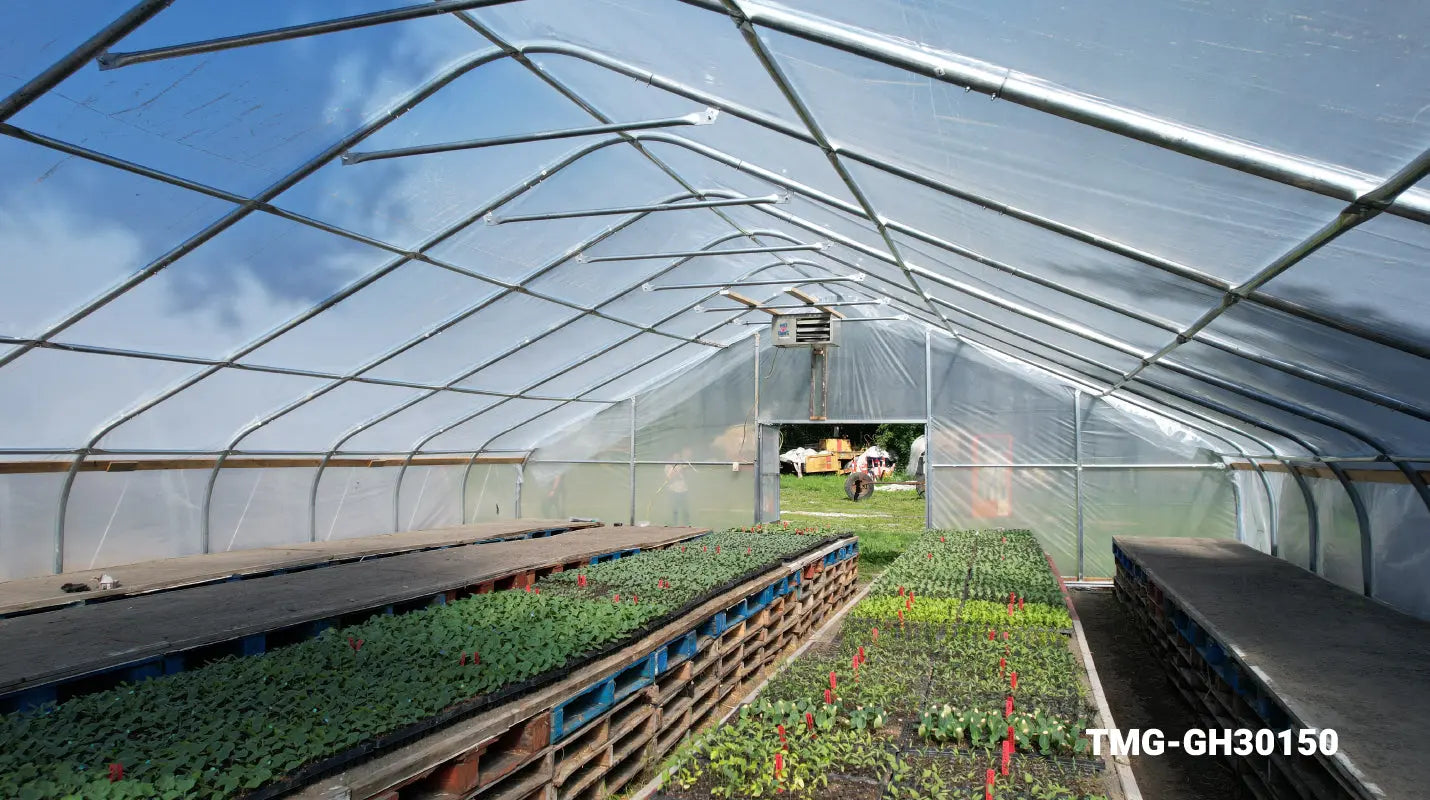
Greenhouses have long been a staple for serious gardeners, offering a controlled environment where plants can thrive year-round. However, even casual gardeners are increasingly discovering the incredible benefits a greenhouse provides—whether it’s growing your own organic vegetables, experimenting with exotic plants, or simply extending the growing season. At Greenhouse Stores advice, we’ve seen a growing interest in greenhouse gardening, and for good reason. The right greenhouse can transform your gardening experience, giving you the tools to grow more efficiently and sustainably. In this article, we’ll share expert tips to help you make the most of your greenhouse and create a flourishing garden.
- Start with the Right Greenhouse for Your Needs
The foundation of any successful greenhouse garden is choosing the right structure. Not all greenhouses are created equal, so it’s essential to select one that aligns with your gardening goals, space, and budget.
First, think about the size of your garden and the amount of space you have available. For those with limited yard space, compact greenhouses are an excellent option. These smaller models can be placed in backyards, patios, or even balconies. For larger plots, a larger greenhouse will provide ample space to grow a variety of plants and vegetables.
Next, consider the material of the greenhouse. Glass greenhouses offer a classic aesthetic and provide optimal light transmission, but they can be more fragile and costly. Polycarbonate greenhouses, on the other hand, are durable, energy-efficient, and better at diffusing light, making them a great choice for both beginners and seasoned gardeners. Depending on your climate, you’ll want a greenhouse that can withstand the weather conditions, from heatwaves to winter frost.
- Harness the Power of Natural Light
Light is one of the most critical factors for plant growth. In a greenhouse, the ability to harness natural sunlight creates the ideal growing environment for a wide variety of plants. Positioning your greenhouse correctly ensures that it receives the maximum amount of sunlight throughout the day.
For optimal light exposure, place your greenhouse with the longest side facing south (in the Northern Hemisphere). This maximizes sun exposure during both summer and winter months, ensuring your plants get the light they need for healthy growth.
While sunlight is essential, it’s equally important to control the intensity of light, especially during the warmer months. Too much direct sunlight can cause plants to overheat, leading to stress or even death. Installing shading systems, such as shade cloth or automatic shading devices, can help diffuse light and keep the interior of the greenhouse at a manageable temperature.
- Proper Ventilation and Temperature Control
Temperature regulation is another critical component of greenhouse gardening. Plants require a consistent, stable environment to thrive, and fluctuations in temperature can hinder growth. This is where proper ventilation comes in.
Adequate airflow helps control temperature and humidity levels inside the greenhouse. Make sure your greenhouse is equipped with roof vents, side vents, or louvered windows to allow for natural ventilation. In addition, consider installing automated vent systems that open and close based on temperature readings. This takes the guesswork out of temperature control and ensures a consistent environment for your plants.
In colder climates, heating systems like electric or gas heaters can help maintain a warm, stable temperature. On the other hand, during hot weather, cooling systems like fans, evaporative cooling pads, or even misting systems can keep your greenhouse environment comfortable for both plants and gardeners. Many modern greenhouses also have temperature sensors that alert you to temperature extremes, ensuring your plants are always in the optimal range.
- Efficient Irrigation Systems for Healthy Plants
Water is another critical element that can make or break a greenhouse garden. Traditional gardening often relies on the weather, but in a greenhouse, you have full control over the amount and timing of water your plants receive.
An efficient irrigation system, such as drip irrigation or automated watering systems, can significantly improve the health of your plants. These systems ensure that water is delivered directly to the roots, where it’s needed most, and minimize water waste. Drip irrigation is particularly effective because it allows for slow, steady watering, which is ideal for most plants and reduces the risk of overwatering.
If you live in an area where water conservation is a concern, a rainwater harvesting system can be a great addition to your greenhouse. Collecting and using rainwater helps you minimize your water bill while providing plants with clean, untreated water that’s better for their health.
- Soil Health and Fertilization Tips
Healthy soil is the foundation of a successful greenhouse garden. Before planting, it’s important to assess the quality of the soil in your greenhouse. A soil test can determine its pH, nutrient levels, and texture, allowing you to make necessary amendments.
One of the benefits of greenhouse gardening is that you can closely monitor the soil’s condition, adjusting as needed for optimal plant health. Composting is a great way to enrich your soil with essential nutrients, and adding organic matter improves soil structure and promotes healthy root development.
While organic gardening is a preferred method in many greenhouses, sometimes plants require additional nutrients to thrive. Using organic or slow-release fertilizers can help replenish essential minerals like nitrogen, potassium, and phosphorus. Be mindful of your plants’ specific needs and adjust your fertilization routine accordingly.
- Regular Maintenance for Long-Term Success
A well-maintained greenhouse ensures that your plants stay healthy and your growing environment remains efficient. Regularly clean the greenhouse glass or polycarbonate panels to ensure maximum light transmission. A dirty or dusty surface can block sunlight and reduce plant growth.
Check for pests or diseases regularly, and take immediate action if you spot any signs of trouble. Pests such as aphids, whiteflies, and spider mites can thrive in the warm, humid conditions of a greenhouse, so it’s important to address infestations early on. Integrated pest management (IPM) techniques, such as introducing beneficial insects, can help control pests without harmful chemicals.
In addition to plant care, inspect the greenhouse structure itself. Check for leaks, cracks, or wear and tear, especially after extreme weather events. Keeping the greenhouse in good condition ensures that it remains a safe, productive space for your plants.
Conclusion: Unlock Your Gardening Potential with a Greenhouse
Greenhouses are more than just a gardening trend—they’re an investment in a sustainable, year-round growing space that can provide endless rewards. By selecting the right greenhouse, managing light and temperature, and investing in efficient systems for irrigation and soil health, you can create the perfect environment for your plants to thrive.
At GreenhouseStores.co.uk, we’re dedicated to helping you build the greenhouse of your dreams. Whether you’re new to greenhouse gardening or an experienced grower, our expert advice and quality products are here to guide you every step of the way. Start transforming your garden today and discover how a greenhouse can take your gardening to the next level.